Exactly How BPM-Driven Learning Transforms Engagement At The Workplace
Worker engagement has actually become one of the most important variables for organizational success in today’s dynamic office. Engaged workers are extra efficient, cutting-edge, and loyal to their companies. Yet, as workforces grow even more distributed and task duties develop swiftly, businesses deal with a challenge: how can they develop Understanding and Advancement (L&D) programs that not just provide expertise but also foster genuine engagement? The answer lies in incorporating Business Refine Monitoring (BPM) principles into discovering systems. By straightening learning process with business procedures and automating repetitive jobs, BPM-driven systems do not just supply training– they produce engaging, personalized, and quantifiable understanding journeys.
This write-up discovers just how BPM-integrated discovering systems boost employee interaction, why they matter, and exactly how organizations can adopt them for long-term success.
Sponsored material – write-up continues listed below
Trending Discovering Management Systems (LMS)
Recognizing BPM In The Context Of L&D
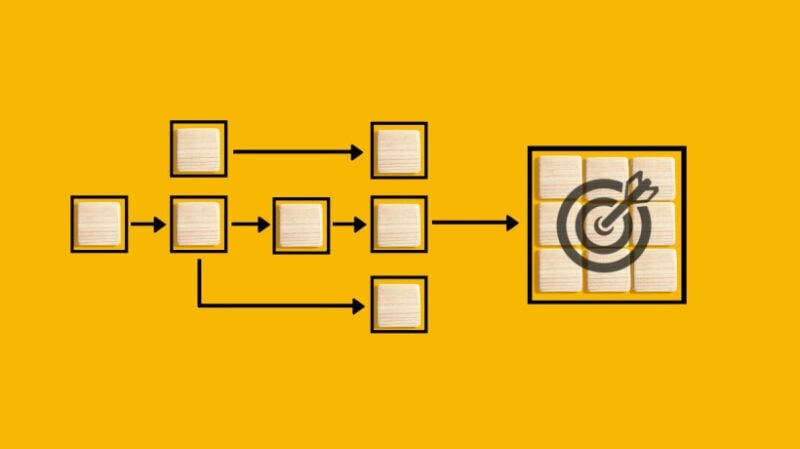
At its core, Organization Refine Management (BPM) is about mapping, evaluating, and maximizing organizational operations. It makes sure that procedures are reliable, constant, and adaptable to transform. When related to L&D, BPM brings framework and scalability to training initiatives.
A BPM-integrated discovering system is not simply an electronic database obviously– it’s a vibrant platform where workflows like registration, analyses, responses collection, and development monitoring are automated and attached to company goals. Instead of being isolated from day-to-day operations, finding out enters into the business textile.
This assimilation straight impacts engagement: workers experience smooth, personalized understanding pathways, while L&D teams gain the adaptability to constantly boost training processes.
Why Staff Member Involvement Issues In Knowing
Before diving into BPM’s role, it’s important to comprehend why interaction is central to discovering success. Study consistently reveals that involved learners:
- Keep expertise far better and apply it in real-world contexts.
- They are most likely to complete training programs.
- Establish more powerful emotional links with their company.
- Feel a lot more inspired to upskill and reskill according to profession growth.
For remote and hybrid workforces, engagement is even more essential. Without in-person communications, workers can quickly feel detached, and traditional training techniques– long webinars, fixed components, or common training courses– usually stop working to trigger interest. BPM-integrated knowing systems supply the framework and customization needed to combat disengagement.
Exactly How BPM-Integrated Learning Systems Boost Involvement
1 Individualized Understanding Journeys
One-size-fits-all training hardly ever resonates. With BPM, workflows can be customized to worker functions, profession phases, and performance information. For example, when a worker is advertised, BPM-driven systems immediately update their discovering course to include leadership components. Customization makes discovering relevant, which naturally boosts involvement.
2 Seamless Onboarding Experiences
First impressions issue. Conventional onboarding frequently bewilders brand-new hires with scattered details. A BPM-integrated knowing system automates the onboarding procedure– appointing role-specific components, organizing check-ins, and tracking development– ensuring a smooth, appealing begin that increases self-confidence and retention.
3 Gamification With Process Design
Gamification isn’t almost points and badges. BPM enables gamified elements– such as landmark acknowledgment, automated rewards, or level-based developments– to be built into the process itself. This develops a feeling of accomplishment and inspires students to stay involved.
4 Timely Nudges And Reminders
Interaction commonly goes down when learners shed momentum. BPM-driven automation sends pointers, notifications, and support at just the right time, assisting workers stay on track without feeling pressured by supervisors.
5 Feedback Loopholes That Drive Enhancement
Interaction is a two-way street. BPM-integrated systems automate post-training responses collection and aggregate feedbacks right into dashboards. This permits L&D teams to act swiftly, boosting content and shipment techniques while showing employees that their input issues.
6 Assimilation With Daily Workflows
Employees engage even more when learning feels all-natural, not turbulent. BPM makes it possible to incorporate training with existing operations– for example, embedding microlearning components into daily partnership tools. This makes learning constant and contextual.
7 Transparent Progression Tracking
Interaction expands when students see their progression. Automated dashboards powered by BPM give staff members with real-time updates on their understanding journey, providing a feeling of possession and achievement.
The Strategic Perks Beyond Engagement
While employee involvement is the key objective, BPM-integrated learning systems supply broader business benefits:
- Scalability
Training can broaden to huge, dispersed groups without frustrating managers. - Conformity
Automated workflows guarantee mandatory training is finished promptly, lowering risks. - Data-driven decisions
BPM produces real-time understandings right into training performance, abilities spaces, and student behavior. - Effectiveness
Hand-operated administrative jobs are reduced, permitting L&D experts to concentrate on method.
These BPM advantages inevitably strengthen interaction by making finding out more reliable and significant.
Handbook Vs. BPM-Integrated Learning Workflows
To truly comprehend the change, let’s compare conventional manual operations with BPM-integrated ones:
- Registration
In hand-operated systems, workers register by means of spreadsheets or e-mails. With BPM, enrollment is automated, caused by role adjustments, brand-new hires, or performance data. - Pointer
Traditionally, managers send out e-mails to go after learners. BPM automates customized pushes, maintaining students engaged regularly. - Comments
Hands-on surveys are sluggish to compile, typically delaying improvements. BPM automates study distribution and aggregates understandings instantaneously. - Coverage
Hand-operated compilation of discovering outcomes takes weeks. BPM provides real-time control panels, making progress noticeable for both workers and supervisors.
This change shows how BPM doesn’t simply digitize discovering– it changes it into an integrated, engaging experience.
Getting Over Difficulties In BPM-Integrated L&D
In spite of its advantages, embracing BPM-integrated discovering systems includes obstacles:
- Modification resistance
Staff members and supervisors might originally stand up to automation, being afraid a loss of human interaction. - Customization efforts
BPM operations should be tailored per company’s society and processes. - Integration intricacy
Understanding systems need to sync with existing HR, performance, and collaboration tools. - Price considerations
First financial investments can be substantial, though they pay off in long-lasting interaction and performance. - Balancing automation with human touch
While procedures are automated, human trainers have to still play an energetic duty in mentoring and training.
These challenges can be conquered with phased application, clear interaction, and continuous feedback loops.
KPIs To Measure Interaction In BPM-Integrated Understanding Equipments
To evaluate success, companies can track Key Efficiency Indicators such as:
- Educating completion prices
Greater rates suggest stronger interaction. - Program fulfillment ratings
Direct responses on content and distribution. - Student involvement
Determined with conversation forums, quizzes, or optional modules. - Skill renovation metrics
Analyses before and after training. - Compliance adherence
Portion of workers completing called for components on schedule. - Time-to-productivity
Especially for brand-new hires, tracking just how swiftly workers ramp up after training.
These KPIs demonstrate how involvement converts right into measurable organization end results.
The Future Of BPM In L&D
The combination of BPM right into discovering systems is only the beginning. Looking in advance, we can expect a number of patterns that will additionally boost involvement:
- AI-driven customization
Knowing courses will certainly be customized in real time, adapting to worker efficiency and choices. - Anticipating analytics
BPM systems will expect skills gaps and proactively designate training. - Flexible process
Procedures will certainly advance dynamically as organizational needs transform. - Immersive learning experiences
Combination with AR/VR devices will certainly make operations more interactive and interesting. - Constant knowing society
With BPM, finding out will certainly be installed right into day-to-day procedures, making involvement an ongoing procedure rather than a one-off objective.
Best Practices For Implementing BPM-Integrated Discovering Systems
To make the most of worker interaction, companies must adhere to these finest practices:
- Start with high-impact operations
Automate onboarding or conformity first, after that range gradually. - Involve stakeholders early
Include managers, trainers, and learners in making process. - Prioritize Customer Experience
Make certain systems are instinctive and supportive, not frustrating. - Preserve the human aspect
Balance automation with mentorship and individual communication. - Iterate and boost
Usage BPM’s toughness in continuous renovation to improve process based on comments.
Future Overview: BPM, AI, And Worker Experience (EX LOVER)
The future of worker interaction is relocating past siloed L&D systems and toward smooth, hyper-personalized learning communities. At the center of this advancement is the convergence of Business Refine Monitoring (BPM), Artificial Intelligence (AI), and worker experience (EX) platforms.
BPM As The Backbone
BPM currently provides framework and automation to finding out process. However by itself, it’s process-focused.
AI As The Mind
When incorporated with AI, BPM systems can analyze interaction information in genuine time, detect patterns in learner habits, and recommend interventions tailored to every employee. Envision a system that sees an employee having problem with compliance training and instantly provides bite-sized understanding components or training nudges.
EX As The Lens
Worker experience tools generate the human component, guaranteeing that learning is not simply reliable yet additionally emotionally interesting. For example, integrating wellness check-ins, recognition systems, or social understanding opportunities into BPM workflows produces a more all natural and encouraging environment.
This synergy produces what’s often described as a Learning Experience Environment (LXE)– a network where every communication, from onboarding to management advancement, is individualized, flexible, and embedded in daily work. In the future, leaders will certainly check out BPM not merely as an L&D enabler however as a strategic structure for workforce interaction and development. By tying procedure optimization to human experience, companies can supply learning that not only drives abilities but also enhances morale, retention, and business dexterity.
Workable Checklist For Leaders
If you’re thinking about incorporating BPM into your understanding and engagement technique, begin small but think large. Below’s a basic roadmap:
Map Your Existing Learning Workflows
- Document how training demands, authorizations, shipment, and feedback presently flow.
- Identify factors where employees really feel postponed or disengaged.
Recognize Bottlenecks That Discourage Employees
- Look for repetitive manual tasks (e.g., duplicate information entrance, several approval layers).
- Gather employee responses to recognize their knowing discomfort factors.
Beginning Automation In High-Friction Locations
- Quick wins like onboarding, conformity, or certification renewals deliver prompt influence.
- Usage BPM to standardize and accelerate these processes, liberating workers for purposeful understanding.
Individualize With AI Where Feasible
- Integrate AI-powered pushes, referrals, or view evaluation to adapt learning to every person.
- Pair BPM with analytics dashboards to keep an eye on involvement patterns.
Step Interaction KPIs Before And After BPM Integration
- Track metrics like training conclusion prices, worker complete satisfaction, learner feedback ratings, and retention.
- Utilize these insights to continually fine-tune the operations.
Installed BPM In Your More Comprehensive Worker Experience Strategy
- Align L&D workflows with HR, IT, and efficiency management processes.
- Guarantee staff members see learning as part of their day-to-day trip, not a different job.
Conclusion
Worker involvement is no longer a “nice-to-have.” It has ended up being a vital service important. In the context of Knowing and Development, disengaged staff members can result in lost resources, missed out on opportunities, slower technology, and lowered total performance. Standard training approaches typically fall short, particularly in remote or hybrid settings, where learners may feel separated or bewildered by scattered processes.
BPM-integrated understanding systems resolve these difficulties by straightening training efforts with organizational procedures, automating repeated jobs, and providing personalized, flexible knowing experiences. By enhancing operations such as onboarding, conformity, and upskilling, these systems totally free L&D teams to focus on high-value activities like mentoring, coaching, and material innovation. This combination of automation and human-centered style ensures that discovering is not only reliable yet additionally meaningful and engaging for staff members.
Moreover, BPM-driven systems supply real-time analytics and responses, allowing companies to constantly improve their learning strategies and react to worker demands. For services operating in fast-changing markets, where agility and ability growth are paramount, integrating BPM into learning process unlocks continual interaction, higher retention, and far better efficiency.
Essentially, BPM tools change training from a fixed task right into a strategic vehicle driver of worker development, motivation, and long-lasting business success.